
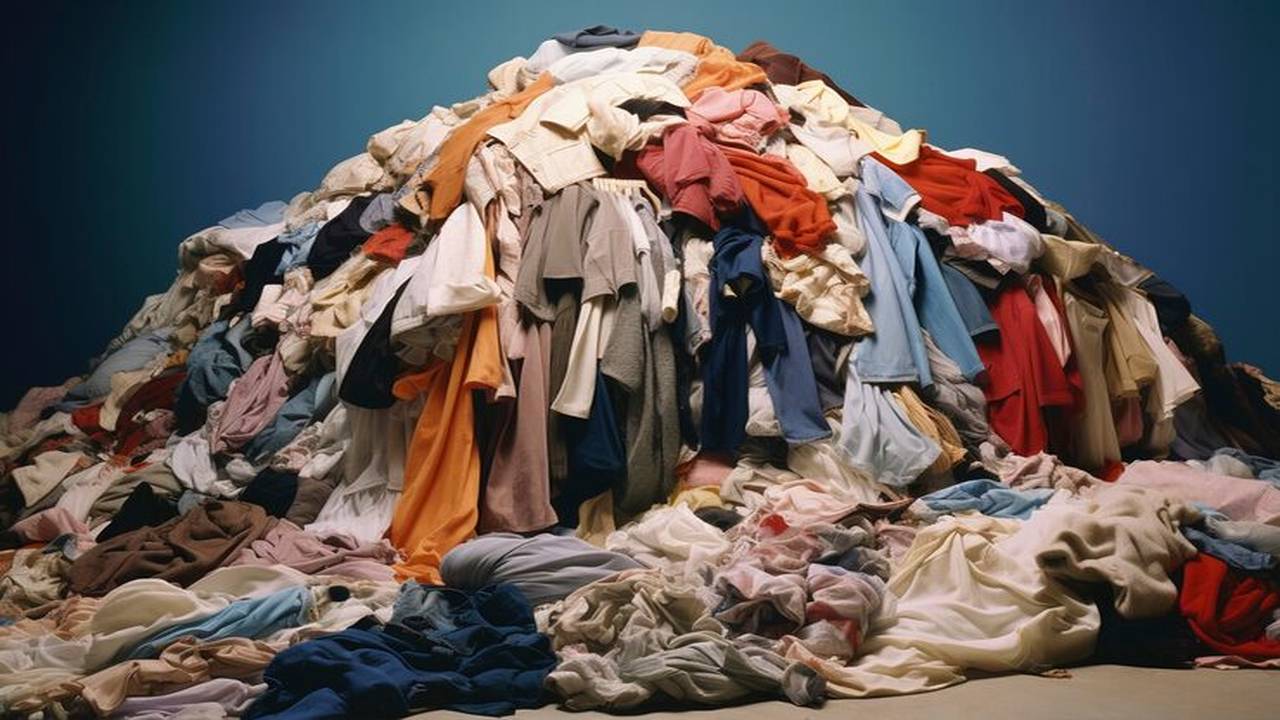
 With global textile production surpassing 120 million metric tons annually, less than 1 percent of clothing is recycled back into new fibers, creating a mounting waste crisis for the fashion industry. Worn Again Technologies is pioneering a solution with its groundbreaking textile-to-fiber recycling process for polycotton blends. The launch of the "Accelerator" plant in Switzerland signifies a significant leap towards commercializing this innovative technology, offering a sustainable and economically viable approach to tackling the challenges of recycling complex textile waste streams.
The Urgency of Sustainable Textile Recycling
The global textile industry's massive production volume, exceeding 120 million metric tons annually, poses a significant challenge in terms of waste management and sustainability. With less than 1 percent of clothing being recycled back into new fibers, the industry is facing a pressing need for innovative solutions to address the mounting waste crisis. Worn Again Technologies is at the forefront of pioneering a groundbreaking textile-to-fiber recycling process, particularly focusing on polycotton blends. The launch of the "Accelerator" plant in Switzerland marks a crucial milestone in the company's journey towards commercializing its advanced recycling technology. By demonstrating the technical and economic feasibility of recycling polycotton blends, Worn Again Technologies is offering a sustainable and economically viable approach to tackling the complexities of textile waste streams.
Technological Breakthroughs in Textile Recycling
Worn Again Technologies' innovative chemical recycling technology represents a significant advancement in the textile recycling landscape. By focusing on separating and recovering polyester and cellulose from end-of-life textiles, especially challenging due to their blended composition, the company is addressing a critical gap in the industry. Through continuous refinement of their chemistry and engineering processes, Worn Again Technologies has developed a system capable of recovering over 95 percent of the solvents used in the recycling process. Moreover, their multi-solvent approach not only enables the recovery of high-purity polyester and cellulose but also facilitates the separation of additional components such as dyes and elastane, which are often obstacles in traditional mechanical recycling methods.
Market Opportunities and Economic Viability
The textile industry's shift towards sustainable practices presents significant market opportunities for companies like Worn Again Technologies and Spinnova. As consumer demand for environmentally friendly products continues to rise, businesses that prioritize sustainability in their supply chains are likely to gain a competitive edge. By offering a solution to the challenges posed by polycotton recycling, Worn Again Technologies is not only contributing to environmental conservation but also unlocking substantial economic potential within the circular economy. The successful spinning of fibers from recovered outputs in 2024 serves as a critical validation point for the company's technology, paving the way for larger-scale manufacturing and commercial deployment.
Collaboration and Industry Impact
The collaboration between Worn Again Technologies and downstream partners in pilot testing circular polyester from post-consumer polycotton blends highlights the importance of industry partnerships in driving sustainable innovation. By working together to test and validate the viability of recycled materials, companies can accelerate the adoption of circular practices and reduce the environmental footprint of the fashion industry. As sustainability becomes a core focus for businesses across sectors, strategic collaborations and knowledge-sharing initiatives, such as those between Worn Again Technologies and its partners, play a crucial role in shaping the future of sustainable fashion and supply chain management.
Conclusion
The launch of the "Accelerator" plant by Worn Again Technologies in Switzerland signifies a pivotal moment in revolutionizing textile recycling, offering a sustainable solution to the fashion industry's waste crisis. With a focus on polycotton blends, the company's cutting-edge technology not only addresses the complexities of textile waste streams but also showcases the economic viability of sustainable practices. As market demand for eco-friendly products grows, collaborations like those between Worn Again Technologies and partners exemplify the power of industry alliances in driving sustainable innovation. This milestone serves as a beacon of hope, inspiring businesses to prioritize transparency, ethical sourcing, and sustainability in global supply chains, ultimately reshaping the future of fashion towards a circular economy.