
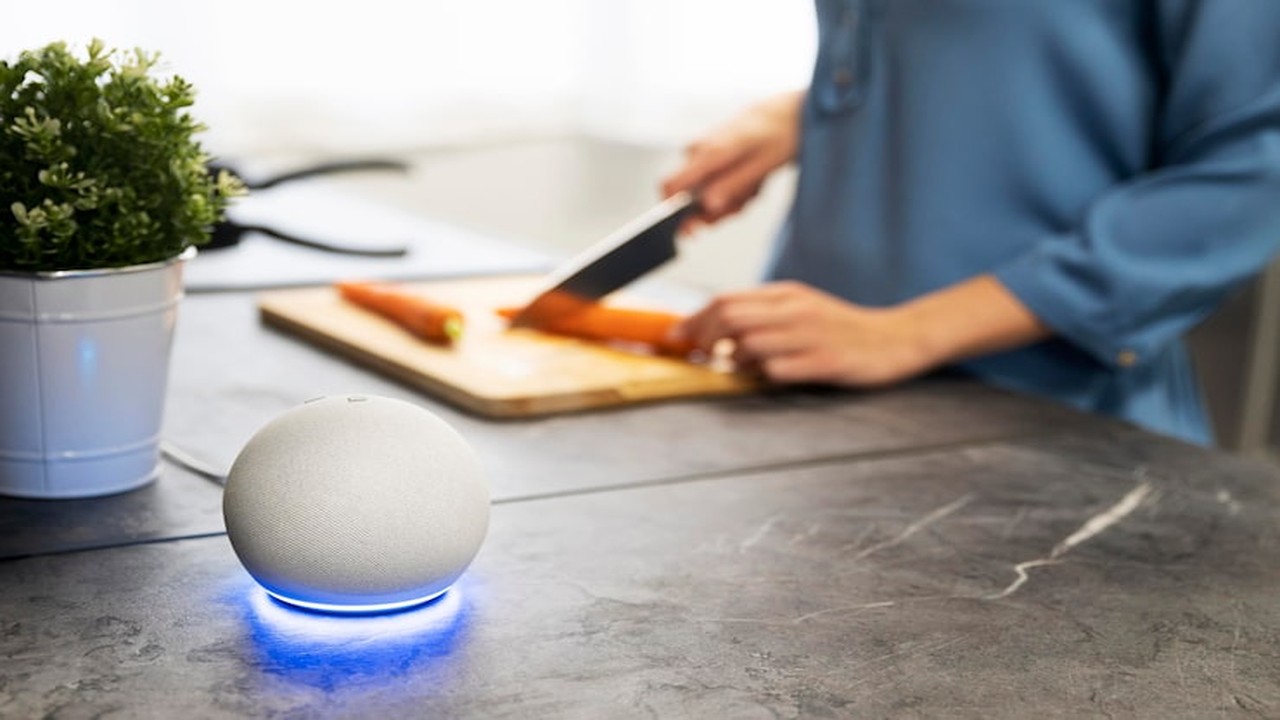
 In an era where technology is advancing at an unprecedented pace, your smart home may soon be listening to your body. Companies like Ultrahuman are pioneering a new approach, integrating health data from wearables, biomarker tracking, and environmental monitoring into a seamless system. This article explores Ultrahuman's innovative biointelligence monitoring system, the Ring PRO smart ring, and the upcoming Ultrahuman Home device. As the intersection of wellness and technology evolves, the question arises: will consumers embrace homes that respond to their biology?
The Evolution of Smart Home Technology
The integration of health data into smart home technology represents a significant shift in the industry. Companies like Ultrahuman are at the forefront of this evolution, offering innovative solutions that go beyond traditional home automation. By combining wearable sensors, biomarker tracking, and environmental monitoring, Ultrahuman is creating a holistic approach to wellness that resonates with consumers looking to take control of their health. This convergence of technology and health not only enhances the functionality of smart homes but also opens up new possibilities for personalized health monitoring within the home environment.
One key player notably absent from this narrative is Apple. With its established ecosystem of products like HealthKit and the Apple Watch, Apple has the potential to revolutionize the intersection of health and home automation. As the smart home landscape continues to evolve, it will be interesting to see how Apple leverages its existing platforms to integrate wellness and activity data into its smart home ecosystem. The market is ripe for disruption, and companies that can seamlessly blend technology with health monitoring are poised to lead the way in shaping the future of smart homes.
The Rise of Wearable Health Technology
The proliferation of wearable health technology has paved the way for a more personalized approach to wellness. Companies like Ultrahuman, with their smart ring and biointelligence monitoring system, are capitalizing on this trend by offering consumers real-time insights into their health metrics. These wearables not only track essential health data like heart rate and sleep patterns but also provide users with actionable information to improve their overall well-being. As consumers become more health-conscious, the demand for wearable health technology is expected to grow significantly in the coming years.
In this landscape, Apple's Apple Watch stands out as a frontrunner in the wearable technology market. With features like heart rate monitoring, activity tracking, and ECG capabilities, the Apple Watch has already established itself as a valuable health companion for many users. As Apple continues to innovate in the wearables space, the potential for integrating these devices with smart home technology becomes increasingly promising. The seamless integration of wearables with home automation could offer users a comprehensive health monitoring experience that transcends traditional boundaries.
The Future of Home Automation and Wellness
The convergence of home automation and wellness represents a paradigm shift in how we interact with our living spaces. Companies like Ultrahuman are pioneering the concept of smart homes that respond not just to external stimuli but also to internal biological signals. By incorporating environmental data with physiological insights, these smart home systems have the potential to revolutionize how we perceive and interact with our living environments. As the demand for health-conscious living continues to rise, the integration of wellness features into smart home devices is poised to become a standard rather than a novelty.
While companies like Ultrahuman are leading the charge in this space, Apple's entry into the wellness-focused smart home market could disrupt the industry significantly. With its vast resources and loyal customer base, Apple has the capability to redefine the relationship between technology, health, and home automation. As consumers increasingly prioritize health and well-being, the seamless integration of Apple's ecosystem with smart home devices could set a new benchmark for personalized health monitoring within the home environment. The future of home automation is not just about convenience; it's about creating spaces that actively contribute to our overall health and well-being.
Conclusion
As technology intertwines with our daily lives, the emergence of biointelligence monitoring systems like Ultrahuman's presents a compelling vision of smart homes attuned to our very biology. With wearables and environmental data seamlessly integrated, the future of home automation transcends mere convenience to become a vital ally in our quest for holistic well-being. While pioneers like Ultrahuman lead the way, the potential disruption by Apple looms large, promising a future where our living spaces actively contribute to our health. The question remains: will consumers embrace homes that listen to their bodies, or will this evolution spark a new era of personalized health monitoring within our most intimate spaces?