
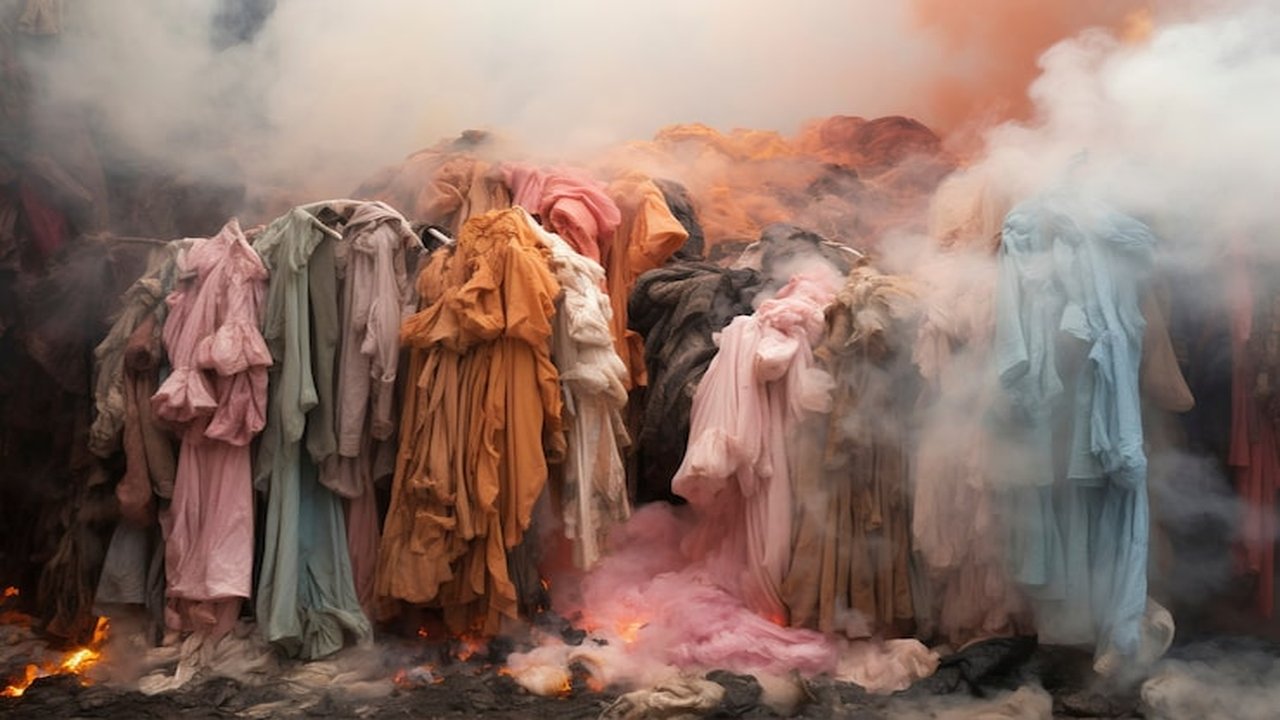
 Amidst the fast-fashion landscape, Shein is reframing circularity as convenience, sparking debate among sustainability experts. The release of its 2025 Global Circularity Report has stirred controversy, with critics questioning the alignment of consumer habits with true circular fashion principles. While the report touts consumer behaviors as already embodying circularity, concerns linger about the disconnect between reported actions and measurable impact. As industry voices like Arif Gasilov and Amanda Jane Valentine raise skepticism, the focus shifts to the broader responsibility of brands like Shein in reshaping the fashion industry's sustainability narrative. The study's findings underscore a growing demand for practical circular solutions among consumers, signaling a shift towards accountability in the fashion sector.
The Role of Consumer Behavior in Circular Fashion
Shein's approach to circularity, emphasizing convenience and aligning with existing consumer habits, raises questions about the true impact on sustainability. While the 2025 Global Circularity Report suggests that consumers already exhibit behaviors associated with circular fashion, experts like Arif Gasilov caution against conflating consumer comfort with genuine circularity. Gasilov highlights the importance of distinguishing between reported behaviors and measurable circular practices, pointing out that wearing an item multiple times does not inherently translate to a closed-loop system. This debate underscores a fundamental challenge in the fashion industry's shift towards sustainability: the need to align consumer behavior with true circular principles.
In contrast, companies like H&M and Zara have been actively engaging in circular initiatives that go beyond consumer-facing narratives. For instance, H&M's garment collection program and Zara's commitment to using sustainable materials showcase a more comprehensive approach to circular fashion. By focusing on material sourcing, production processes, and end-of-life solutions, these companies are setting a precedent for a holistic circularity strategy that encompasses the entire product lifecycle. Petit's comparison highlights the importance of brands investing in reducing waste and improving product durability, rather than solely relying on messaging around circularity.
The Need for Accountability and Transparency in Fashion Supply Chains
As the conversation around circular fashion evolves, the spotlight is increasingly shifting towards accountability within fashion supply chains. Critics like Amanda Jane Valentine emphasize the responsibility of large corporations like Shein to address their operational impact, rather than placing the onus on consumers to drive circularity. Valentine's perspective underscores the growing demand for transparency and accountability in the fashion industry, urging companies to take a more proactive role in reducing waste and energy consumption. This call for accountability extends beyond individual consumer actions to encompass systemic changes within the fashion sector.
In response to these demands, companies like Petit's LiquiDonate are advocating for a paradigm shift in the industry's approach to sustainability. Petit's emphasis on the importance of brands reshaping their business models to tackle the root causes of waste highlights a broader trend towards systemic change. By redefining success metrics to prioritize reducing environmental impact and promoting durability, companies can align their business practices with the principles of circular fashion. This shift towards accountability and transparency signals a new era in the fashion industry, where companies are increasingly evaluated not just on their products but on their commitment to sustainable practices.
Conclusion
In the evolving landscape of circular fashion, the debate sparked by Shein's convenience-driven circularity approach highlights a crucial need for aligning consumer behaviors with true sustainability principles. As industry experts like Arif Gasilov and Amanda Jane Valentine emphasize the importance of accountability and transparency in fashion supply chains, companies like H&M and Zara set a precedent with comprehensive circular initiatives. The call for systemic change, exemplified by Petit's LiquiDonate, underscores a shift towards prioritizing environmental impact and durability. This pivotal moment challenges brands to reshape business models, driving a new era where sustainability practices are as vital as the products themselves, shaping a future where circular fashion thrives on responsibility and transparency.