
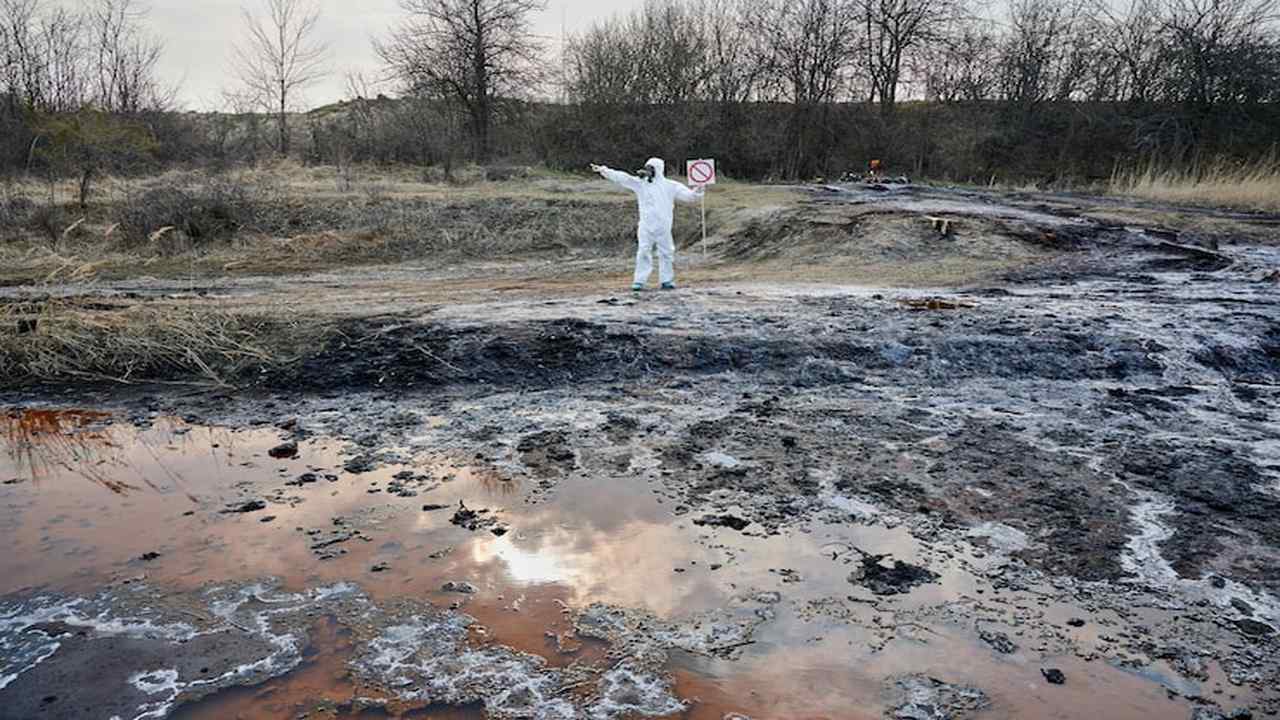
 PFAS contamination is not just an environmental concern; it poses a significant and rapidly escalating financial risk for lenders, insurers, and investors globally. Despite recent regulatory delays, the financial implications of these "forever chemicals" persist, reshaping the financial landscape. From loan portfolios to M&A transactions, understanding and managing PFAS-related financial exposures is crucial for mitigating risk and ensuring long-term stability. As regulations evolve unevenly across jurisdictions, staying informed is paramount. This article delves into the key drivers of PFAS risk, regulatory developments, and strategic mitigation approaches for financial institutions. Stay ahead of the curve with expert insights from Antea Group.
Impact of PFAS Contamination on Financial Institutions
The financial sector is facing increasing pressure to address the financial risks associated with PFAS contamination. As PFAS regulations continue to evolve globally, financial institutions must proactively assess and manage their exposure to these harmful chemicals to safeguard their assets and ensure long-term stability. The Antea Group's expertise in PFAS consulting services can assist financial institutions in navigating the complex regulatory landscape and implementing effective risk management strategies. By integrating PFAS screening into environmental assessments and conducting portfolio risk assessments, lenders, insurers, and investors can quantify their exposure and make informed decisions to mitigate potential financial losses.
Regulatory Developments and Jurisdiction-Specific Liability Exposure
The regulatory environment surrounding PFAS is rapidly changing, with jurisdictions worldwide implementing stringent regulations to address the risks posed by these persistent chemicals. States like California, Massachusetts, and New York are leading the way in advancing aggressive PFAS investigation and cleanup requirements, while international frameworks such as the Stockholm Convention are imposing restrictions on the production and trade of high-risk PFAS compounds. Multinational lenders and investors must navigate jurisdiction-specific liability exposure, which can significantly impact asset valuation and underwriting decisions. Antea Group's Global PFAS Regulatory Dashboard offers real-time visibility into regulatory activities worldwide, enabling companies to stay ahead of compliance changes and mitigate unexpected liabilities effectively.
Strategic Mitigation Approaches for Financial Resilience
To proactively manage PFAS-related financial risks, financial institutions can adopt structured mitigation strategies that help quantify exposure and reduce the likelihood of financial loss. Integrating PFAS screening into environmental site assessments, conducting portfolio risk assessments, and screening supply chains for PFAS use are essential steps in identifying and addressing potential risks. Additionally, insurers can enhance policy language and underwriting practices to better address PFAS-related risks, while incorporating PFAS-specific indemnities and warranties in M&A transactions can help allocate liability appropriately between buyers and sellers. By engaging transparently with stakeholders and implementing scenario-based cost modeling, financial institutions can build trust, enhance resilience, and effectively manage the financial implications of PFAS contamination.
Ensuring Financial Resilience Through Expert Guidance
Navigating the complex landscape of PFAS contamination requires specialized expertise and strategic guidance. Antea Group's PFAS consulting services offer financial institutions the necessary support to understand and manage emerging environmental liabilities effectively. By leveraging Antea Group's regulatory and financial insights, companies can navigate the evolving compliance requirements related to PFAS, protect their business value, and uphold their reputation in the face of growing financial risks. Reach out to Antea Group's team of experts today to ensure your organization is well-equipped to address the financial implications of PFAS contamination and safeguard its long-term financial stability.
Conclusion
In a world where PFAS contamination poses not only environmental but also significant financial risks, financial institutions must act decisively to safeguard their assets and ensure long-term stability. With regulatory landscapes evolving unevenly, staying informed and proactive is paramount. Antea Group offers expert guidance, enabling companies to navigate the complexities of PFAS exposure effectively. By integrating PFAS screening, conducting risk assessments, and enhancing transparency, financial institutions can build resilience, manage liabilities, and protect their reputation in the face of escalating financial risks. Take action today to secure your organization's financial future amidst the challenges of PFAS contamination.