
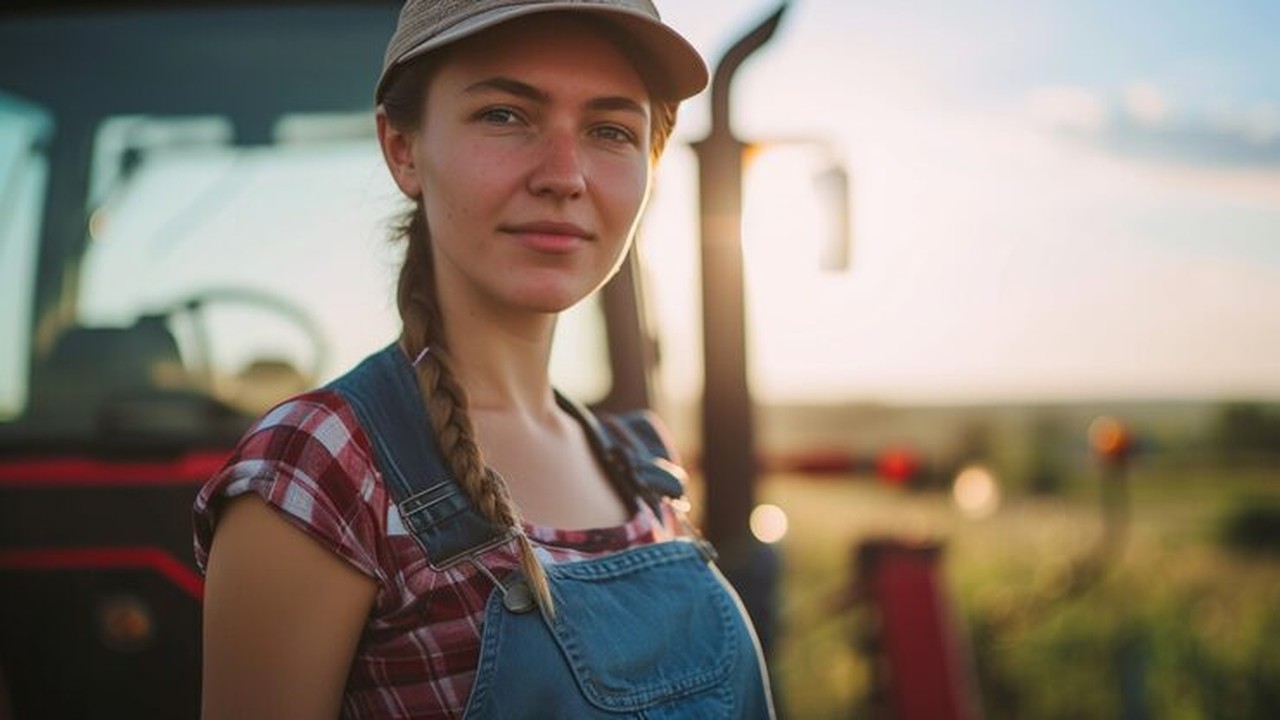
 Women are at the forefront of transforming the global food system, yet they face significant economic disparities compared to men. Despite challenges, inspiring women leaders are driving sustainable and equitable changes in agriculture and food production. From empowering farmers in the Philippines to innovating food rescue in Australia, these women are reshaping the industry. Join us as we delve into the stories of remarkable women like Keithlin Caroo-Afrifa, Christa Barfield, and Esther Penunia, showcasing their impactful work towards a more inclusive and resilient food system. Through their efforts, empowering women not only enhances gender equity but also strengthens the entire food supply chain.
Women's Economic Disparities in Agriculture
Women in agriculture face significant economic disparities compared to men, with statistics showing that they earn only 82 cents for every dollar men earn. Moreover, a substantial portion of women's work in agriculture, more than 4 hours a day, remains unpaid. This economic vulnerability stems from factors such as limited ownership or management rights over land and less stable off-farm employment opportunities for women. The data from the U.N. Food and Agriculture Organization highlights these disparities, indicating a need for greater gender equality in the agricultural sector to ensure fair compensation and recognition for women's contributions.
Empowering women in agriculture not only addresses these economic disparities but also has broader implications for the entire food system. Organizations like Whole Foods Market play a crucial role in promoting gender equity by supporting initiatives that uplift women in agriculture. By advocating for fair wages, land rights, and access to training for women farmers, companies can contribute to building a more inclusive and sustainable food supply chain. Through strategic partnerships and investments in programs that empower women, businesses can drive positive change and create a more equitable environment for all stakeholders involved in food production.
Sustainable Food Production and Gender Equity
Sustainable food production practices are closely linked to gender equity in the agricultural sector. Women farmers, such as those supported by organizations like the Asian Farmers’ Association for Sustainable Rural Development (AFA), face unique challenges in accessing land, markets, and training opportunities. These obstacles are particularly pronounced for women, underscoring the importance of empowering female farmers to enhance food security and nutrition outcomes. By investing in initiatives that support women in agriculture, companies can contribute to building a more resilient and sustainable food system that benefits both producers and consumers.
Companies like Whole Foods Market can leverage their influence and resources to drive positive change in the realm of sustainable food production and gender equity. Through partnerships with organizations that focus on empowering women farmers, businesses can help bridge the gender gap in agriculture and promote environmentally friendly farming practices. By integrating gender considerations into their supply chain strategies and sourcing practices, companies can not only support women in agriculture but also foster innovation and resilience in the food industry.
Women Leadership in Food Innovation
Women leaders in the food industry are driving innovation and transformative change through their entrepreneurial endeavors. Visionary individuals like Anna Hammond, the Founder and CEO of Matriark, are pioneering new approaches to food production by upcycling surplus ingredients into nutritious products. By adopting climate-smart practices and supporting farmers' incomes, companies like Matriark are setting a precedent for sustainable business models that prioritize both environmental stewardship and social impact. These initiatives not only contribute to reducing food waste but also create economic opportunities for farmers while promoting healthier food choices for consumers.
Whole Foods Market is at the forefront of championing food innovation and sustainability, with leaders like Caitlin Leibert emphasizing the importance of regenerative agriculture and community engagement. By collaborating with innovative startups and entrepreneurs, companies can drive positive change in the food industry while promoting ethical sourcing practices and transparency in supply chains. Women leaders like Anna Hammond and Caitlin Leibert exemplify how businesses can integrate social and environmental considerations into their operations to create a more resilient and equitable food system for future generations.
Conclusion
In a world where women are pivotal in reshaping the global food system, the imperative for gender equity and sustainability resonates more than ever. From addressing economic disparities to championing sustainable practices and fostering food innovation, remarkable women leaders like Keithlin Caroo-Afrifa, Christa Barfield, and Esther Penunia exemplify resilience and impact. Companies like Whole Foods Market play a crucial role in supporting and empowering women in agriculture, paving the way for a more inclusive and resilient food supply chain. As we celebrate these trailblazers, let us heed their call to action, driving positive change and creating a future where empowerment, sustainability, and transparency reign supreme in our global food landscape.