
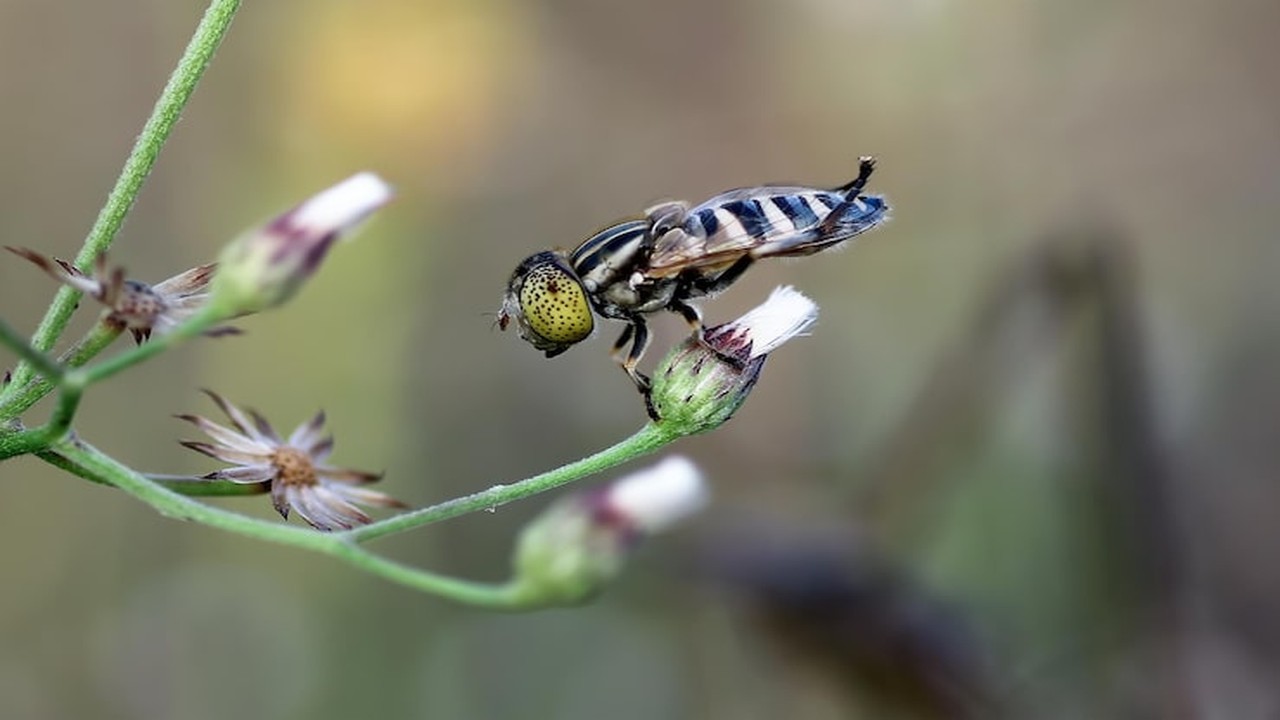
 Insects hold the key to addressing global challenges like climate risks and poverty, with Kenya emerging as a hub for innovative solutions. Join me on a groundbreaking journey through the lens of sustainability and ethical sourcing, as we uncover the transformative potential of insects in shaping a healthier food system. From black soldier flies to stingless bees, these often misunderstood creatures are proving to be success stories in driving positive change. Stay tuned for an exclusive glimpse into my ground-truthing notebook, where we explore the remarkable impact of these tiny yet mighty allies in the fight for a more sustainable future.
Insects as Sustainable Protein Sources
Insects are gaining recognition as a sustainable solution to global food security challenges, with companies like icipe pioneering research in this field. For instance, black soldier flies are being utilized to convert organic waste into high-protein feed for livestock and aquaculture, reducing the environmental impact of traditional feed sources. Similarly, crickets are rich in protein and essential nutrients, offering a viable alternative for human consumption and livestock feed. The potential of these insects to address malnutrition and food shortages is significant, as highlighted by icipe's ongoing investigations into their diverse applications in the food system.
Diversifying protein sources through insects like mealworms and crickets not only addresses nutritional deficiencies but also contributes to sustainable agricultural practices. icipe's research shows that mealworms, in addition to being protein-rich, can play a role in plastic waste management, offering a unique solution to environmental challenges. By exploring the nutritional composition and environmental benefits of insects, companies can align with sustainability goals while promoting innovative solutions for a more resilient food system.
Insects for Environmental Sustainability
The role of insects in environmental sustainability extends beyond food production, with dung beetles and parasitic wasps showcasing their potential impact. icipe's research emphasizes the importance of dung beetles in nutrient recycling and soil health, demonstrating how these insects contribute to sustainable agriculture practices. By facilitating nutrient cycling and soil enrichment, dung beetles play a vital role in enhancing agricultural productivity and ecosystem resilience.
Furthermore, parasitic wasps offer a natural solution to pest management, reducing the reliance on chemical pesticides that can harm the environment. Through targeted biological control, companies can mitigate the impact of invasive species like the tomato leafminer, promoting sustainable agriculture practices that prioritize ecosystem health. By harnessing the beneficial attributes of insects like dung beetles and parasitic wasps, businesses can enhance their environmental stewardship efforts and contribute to a more sustainable future.
Economic Opportunities Through Insect-Based Industries
In addition to their environmental and nutritional benefits, insects present unique economic opportunities for communities, as demonstrated by the silk farming industry and the potential of stingless bees. icipe's support for silk farming initiatives highlights the economic viability of sericulture, offering sustainable employment options for women and youth in rural areas. The projected growth of the global silk market underscores the economic potential of insect-based industries, providing a pathway for rural communities to diversify their income sources and build resilient livelihoods.
Stingless bees, known for their pollination services and medicinal honey production, represent another avenue for economic empowerment, particularly for smallholder farmers. By engaging in beekeeping activities, communities can tap into the growing demand for natural honey products while contributing to ecosystem conservation through pollination services. The economic value of insect-based industries goes beyond traditional agriculture, offering sustainable alternatives that align with ethical sourcing practices and promote inclusive economic development.
Insect-Based Innovation for Circular Economy Practices
The innovative potential of insects extends to circular economy practices, with companies like icipe leading the way in exploring new applications for insect-based products. Utilizing insects like black soldier flies to convert organic waste into valuable resources exemplifies the circularity inherent in insect-based systems. By transforming waste streams into high-protein feed and organic fertilizers, businesses can reduce their environmental footprint and contribute to a more sustainable production cycle.
Moreover, the ability of insects like mealworms to biodegrade plastic waste presents a promising solution to the global plastic pollution crisis. icipe's research on mealworms' capacity to ingest polystyrene highlights the transformative potential of insects in addressing pressing environmental challenges. By integrating insect-based innovation into circular economy strategies, companies can enhance resource efficiency, reduce waste generation, and promote a more sustainable approach to production and consumption.
Conclusion
In closing, the journey through the transformative potential of insects, as showcased by icipe in Kenya, illuminates a path towards a more sustainable future. From sustainable protein sources to environmental stewardship and economic empowerment, insects offer a multifaceted solution to global challenges. As we witness the innovative applications of insects in circular economy practices, the call to action is clear: embrace the power of insects in shaping a healthier food system, driving economic opportunities, and fostering environmental sustainability. Let us not overlook these tiny yet mighty allies in our quest for a more resilient and ethical global supply chain.