
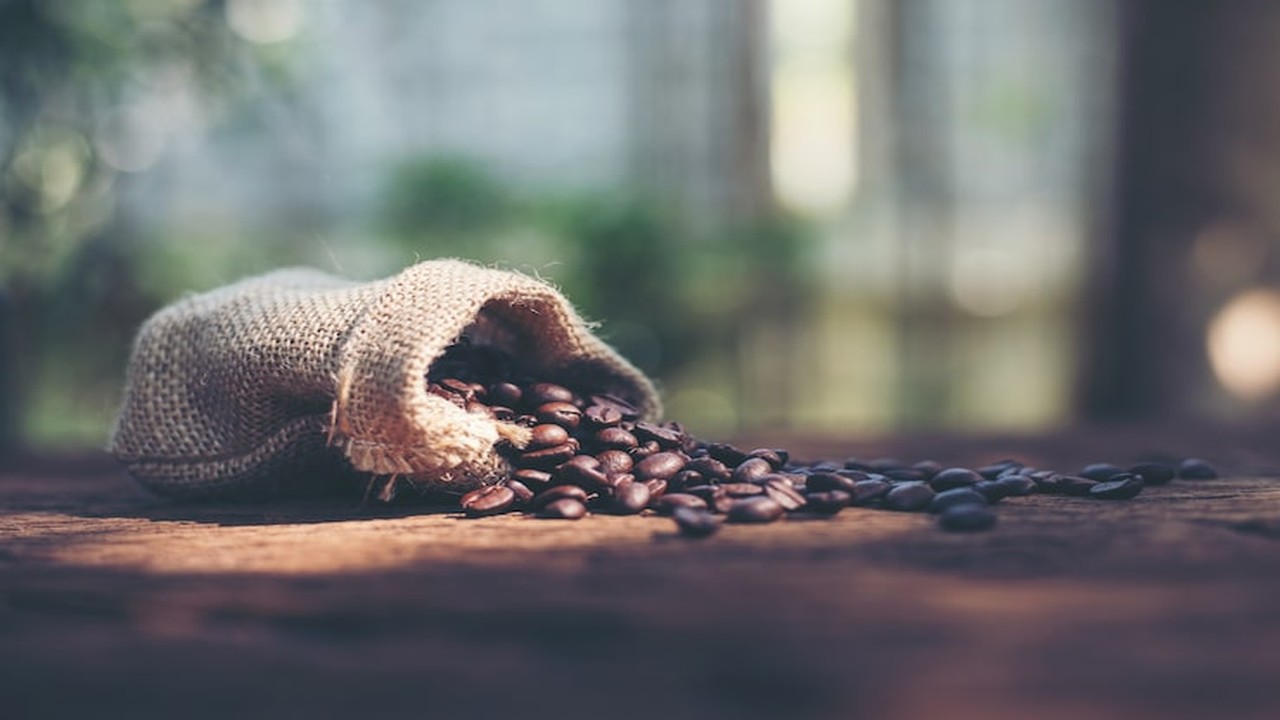
 Coffee, the world's second most consumed beverage after tea, faces a perilous future due to climate change. Arabica, the beloved variety, is under threat, while Robusta emerges as a stabilizing force. As coffee production shifts, costs rise, and alternatives gain traction, how will this cherished drink evolve to survive? Join us as we delve into the changing landscape of the global coffee industry, exploring adaptation strategies, market dynamics, and the enduring allure of this daily ritual.
The Resilience of Robusta Coffee
As climate change threatens the traditional coffee-growing regions, Robusta emerges as a beacon of stability in the global coffee market. With its inherent tolerance to heat, drought, and diseases, Robusta is proving to be more resilient under changing weather patterns compared to its counterpart, Arabica. Companies like Rabobank highlight the adaptability of Robusta production systems, supported by advancements in irrigation, mechanization, and investment. This resilience is further exemplified by the expansion of Robusta cultivation into warmer, lower-altitude regions, such as Brazil's degraded pasturelands, without significant land-use changes.
The strategic shift towards Robusta is not only driven by its climate resilience but also by the increasing demand for Robusta-based products. As Rabobank experts suggest, Robusta could serve as a stabilizing anchor for the global coffee supply chain amidst growing volatility. With projections indicating a substantial increase in irrigated Robusta areas by 2040, the strategic importance of Robusta in ensuring the continuity of coffee production becomes evident. As the industry navigates the uncertainties posed by climate change, Robusta's role as a stable and adaptable variety is set to become increasingly prominent.
Sustainable Adaptation Strategies in Arabica Production
While Arabica faces significant challenges due to its vulnerability to climate stress, innovative adaptation strategies are being implemented to safeguard its cultivation. Companies like Rabobank emphasize the importance of adopting heat- and drought-tolerant Arabica varieties, along with practices like irrigation, shade management, and soil enhancement. These measures, though not eliminating climate risks entirely, have shown promising results in reducing yield losses and volatility in Arabica production.
Moreover, regions like Ethiopia are showcasing success stories in Arabica cultivation through the adoption of sustainable practices. With estimates indicating a potential increase in suitable growing areas for Arabica by 2050, the industry's commitment to enhancing the resilience of this cherished variety is evident. By leveraging technological advancements and sustainable farming techniques, companies are striving to ensure the continuity of Arabica production while mitigating the adverse impacts of climate change.
Market Dynamics and Consumer Affordability
As the global coffee industry undergoes significant transformations driven by climate change and rising production costs, questions arise regarding the accessibility of coffee to consumers. Rabobank experts suggest that while coffee consumption will remain widespread, factors such as climate pressures, increasing input costs, and traceability regulations are likely to contribute to rising coffee prices. The European Union Deforestation Regulation (EUDR) further adds to the production costs, potentially impacting the affordability of coffee for consumers.
In response to these challenges, the industry is witnessing a shift towards more origin-specific and potentially volatile supply chains, particularly concerning Arabica. The evolving market dynamics are expected to result in a more nuanced and diverse coffee landscape, with potential implications for consumer pricing and brand strategies. Despite these changes, the enduring popularity of coffee as a daily ritual remains steadfast, indicating that while prices may rise, consumer demand for this beloved beverage is unlikely to wane.
Exploring Coffee Alternatives and Industry Evolution
Amidst the evolving landscape of the coffee industry, the exploration of coffee alternatives is gaining traction as a potential avenue for resilience. Companies are investing in beanless options as a means to diversify their portfolios and mitigate the impacts of climate volatility and cost pressures. Start-ups in the coffee alternative sector are attracting funding, with even established players like Asahi venturing into this space, signaling a growing interest in innovative solutions to ensure the sustainability of the industry.
While coffee alternatives present a promising avenue for adaptation, experts like Rabobank's Julia Bluech suggest that traditional coffee is unlikely to be entirely replaced. The intrinsic value of coffee, embedded in its origin stories, flavor profiles, and cultural significance, remains unparalleled. As the industry embraces digitalization, hybrid varieties, and evolving consumer preferences, the future of coffee in 2100 is poised to be characterized by a blend of tradition and innovation, ensuring the enduring legacy of this beloved beverage in the global market.
Conclusion
The evolving landscape of the global coffee industry presents a compelling narrative of resilience, adaptation, and innovation. As climate change reshapes traditional coffee cultivation, Robusta emerges as a stalwart force, offering stability and promise amidst uncertainty. Simultaneously, sustainable strategies in Arabica production underscore the industry's commitment to safeguarding cherished traditions. Market dynamics signal a shift towards origin-specific supply chains, challenging affordability yet reaffirming consumer devotion. Amidst exploration of alternatives, the enduring allure of coffee's origin stories and cultural significance remains unmatched. The industry's trajectory towards 2100 blends tradition with innovation, ensuring a legacy of sustainability and excellence in the global market.