
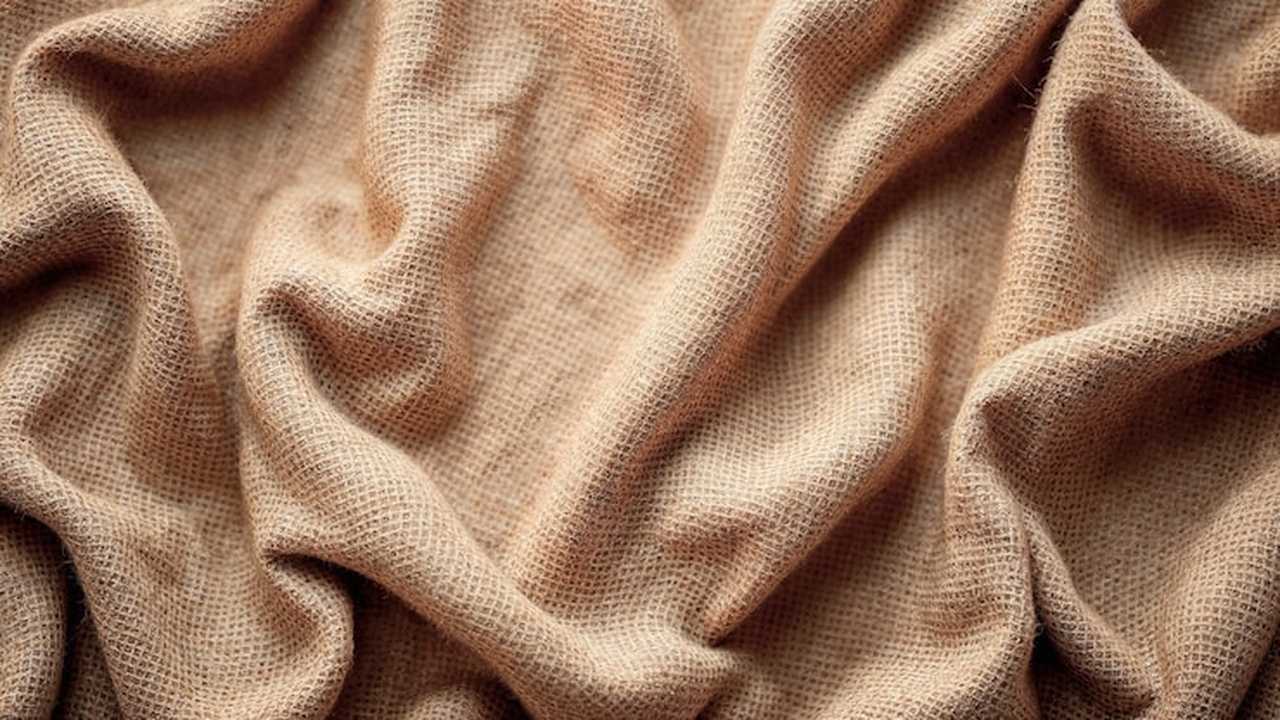
 In a groundbreaking move towards sustainability, Everlane has joined forces with Masters of Flax Fibre to unveil a fully traceable linen collection, setting a new standard in ethical fashion sourcing. This partnership highlights the transformative power of transparent and environmentally conscious supply chains in the industry. By meticulously tracing the journey of linen from seed to garment, Everlane showcases its commitment to reducing carbon emissions and promoting circularity. Stay tuned as we delve into the innovative practices reshaping the future of fashion through this exclusive collaboration.
Sustainable Sourcing Practices
Sustainability has become a key focus for leading fashion brands like Everlane, Reformation, and Eileen Fisher as they strive to minimize their environmental footprint and meet the growing demand for ethically sourced products. By partnering with suppliers like Masters of Flax Fibre, companies are able to offer fully traceable collections, providing consumers with transparency into the entire supply chain. This not only enhances brand credibility but also drives a shift towards more sustainable practices industry-wide. For instance, Everlane's collaboration with Masters of Flax Fibre showcases the use of linen grown without irrigation or GMOs, significantly reducing carbon emissions compared to conventional linen production methods. Such initiatives set a new standard for responsible sourcing and highlight the importance of aligning business strategies with environmental stewardship.
Circular Economy and Product Longevity
In the pursuit of circularity, fashion brands are increasingly focusing on extending the lifespan of their products to reduce waste and promote sustainability. Everlane's emphasis on durability through sourcing longer flax fibers from regions like France results in garments that last longer, aligning with the principles of a circular economy. By creating high-quality products that withstand the test of time, companies not only reduce their environmental impact but also cater to consumer preferences for long-lasting, sustainable fashion choices. This approach not only benefits the environment but also contributes to building a loyal customer base that values quality, longevity, and ethical production practices.
Transparency and Consumer Trust
Transparency has emerged as a critical factor in building consumer trust and loyalty in the fashion industry. Brands like Everlane, Reformation, and Eileen Fisher are increasingly recognizing the importance of communicating their sourcing practices and environmental initiatives to their customers. By providing detailed information on the origins of materials, production processes, and sustainability efforts, companies can empower consumers to make informed purchasing decisions aligned with their values. This transparency not only fosters trust but also positions brands as ethical leaders in an industry that is under increasing scrutiny for its environmental impact. As consumer awareness grows, the demand for transparency will continue to drive companies to prioritize sustainability and ethical sourcing practices in order to maintain a competitive edge in the market.
Collaborative Sustainability Initiatives
Collaboration among industry players is essential in driving meaningful change towards a more sustainable future. Initiatives like Everlane's partnership with Masters of Flax Fibre and Eileen Fisher's involvement in the Aii platform demonstrate the power of collective action in advancing sustainability goals. By sharing best practices, resources, and expertise, companies can accelerate the adoption of sustainable practices and influence industry-wide standards. Such collaborations not only benefit the individual companies involved but also contribute to a more holistic approach to sustainability that addresses complex challenges across the fashion supply chain. As brands come together to drive innovation and promote transparency, the collective impact of these collaborative efforts can lead to a more sustainable and responsible fashion industry for the future.
Conclusion
The collaboration between Everlane and Masters of Flax Fibre exemplifies a paradigm shift towards sustainability and transparency in fashion sourcing. By prioritizing ethical practices, promoting circularity, and fostering consumer trust through transparency, leading brands like Everlane, Reformation, and Eileen Fisher are setting new industry standards. As the call for sustainable fashion grows louder, collaborative initiatives and a commitment to responsible sourcing are paving the way for a more ethical and environmentally conscious future. Joining forces and sharing best practices, these companies are not just redefining fashion; they are reshaping the narrative of conscious consumption and driving lasting change in the global supply chain landscape.