
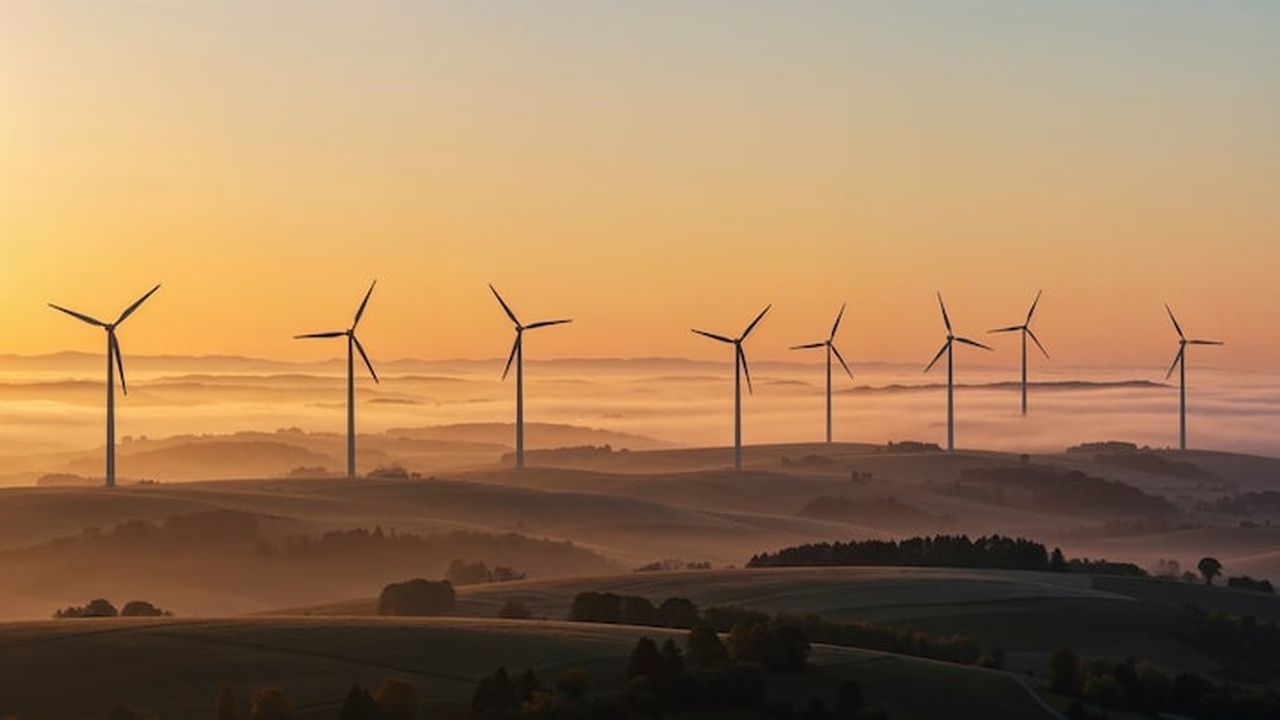
 Amidst a record-breaking $2.3 trillion global investment in the energy transition in 2025, AllianceBernstein foresees a dynamic 2026 for renewable energy development. As policy uncertainties wane, the focus shifts back to capital deployment, with private credit poised to drive financing for the power build-out. Despite shifts in US policy and higher tariffs, the insatiable demand for energy to fuel technological advancements and economic growth remains unwavering. With falling renewable power costs expanding investment opportunities, investors are urged to brace for a multiyear energy financing opportunity that favors lenders adept at structuring deals for optimal returns while mitigating risks. The landscape may face challenges, but the momentum towards a sustainable energy future appears unstoppable.
Energy Transition Acceleration
The global energy transition is gaining momentum, with a record $2.3 trillion invested in 2025, signaling a significant shift towards renewable energy sources. AllianceBernstein anticipates a robust 2026 for renewable energy development, emphasizing the pivotal role of private credit in financing the power build-out. Despite policy uncertainties and changes in the US landscape, the demand for energy continues to surge, driven by the need to power technological advancements and sustain economic growth. This surge in demand underscores the resilience of the energy sector and the opportunities it presents for investors and lenders alike.
The growth in renewable energy investment, coupled with falling costs, is broadening the investment landscape on both sides of the Atlantic. In the US, despite policy shifts such as higher tariffs and the phaseout of federal tax credits for solar and wind generation, the sector remains dynamic. AllianceBernstein highlights that even without federal support, renewable energy sources like solar and wind are becoming the most cost-effective options, outperforming fossil fuels in many markets. This trend not only underscores the sustainability of renewable energy but also presents a compelling investment case for private lenders who can navigate the evolving regulatory environment and capitalize on the growing demand for clean energy solutions.
Capital Deployment and Financing Opportunities
As policy uncertainties recede, the focus in the energy sector is shifting back to capital deployment. AllianceBernstein underscores the critical role of private credit in structuring flexible financing solutions for renewable energy projects. The need for capital in the sector is on the rise, driven by the urgency to modernize existing infrastructure, enhance grid reliability, and expand energy-storage capacity. With developers striving to meet construction deadlines to leverage tax-credit incentives, lenders with robust underwriting capabilities and expertise in structuring loans are well-positioned to capitalize on the evolving energy landscape.
The evolving policy landscape, characterized by higher tariffs and stricter sourcing rules, poses challenges but also opens up new opportunities for investors and lenders. AllianceBernstein points out that while these policy shifts may reshape project timelines and increase the need for capital, they have also led to improved terms and enhanced negotiating leverage for lenders. By adapting to these changes and offering tailored financing solutions, private lenders can navigate the complexities of energy projects, mitigate risks, and capture attractive returns in the evolving energy financing environment.
Sustainable Investment in Renewable Energy
The transition towards renewable energy presents a compelling investment opportunity for companies seeking to align their portfolios with sustainability goals. AllianceBernstein emphasizes that the declining costs of renewable energy technologies, coupled with government incentives and energy-security imperatives, create a favorable environment for sustainable investments. In Europe, where wind and solar have surpassed fossil fuels as the main sources of electricity generation, the investment landscape is particularly promising. By partnering with top-tier developers in scalable markets and leveraging low-tech assets like solar and energy storage, investors can tap into the growing demand for clean energy solutions and contribute to the global energy transition.
Conclusion
In the evolving landscape of renewable energy, AllianceBernstein foresees a dynamic 2026 marked by falling costs, policy shifts, and a relentless demand for sustainable solutions. As private credit takes center stage in driving energy financing, the multiyear opportunity beckons investors to embrace innovative structuring for optimal returns amidst evolving risks. The unstoppable momentum towards a sustainable energy future underscores the imperative for companies to align with sustainability goals, navigate policy complexities, and seize the transformative potential of the energy transition.