
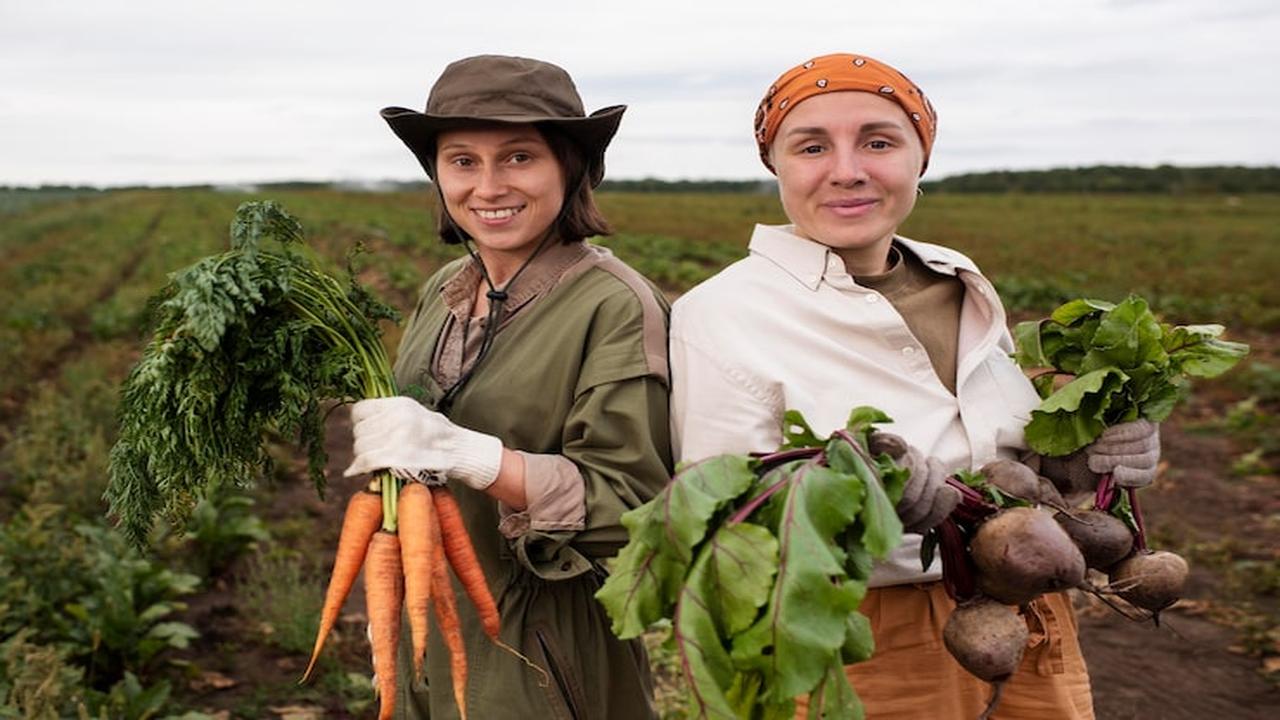
 Amid escalating climate stress, SEWA is empowering women farmers in India with innovative tools and solutions. As the climate crisis intensifies, women are increasingly bearing the burden of agricultural work, facing gender discrimination and resource constraints. In response, SEWA is pioneering initiatives like parametric climate insurance and climate schools to build resilience and ensure financial security for its members. Through a holistic approach that includes climate entrepreneurship and education, SEWA is not just addressing immediate challenges but also fostering long-term sustainability and empowerment for women in the informal sector.
Empowerment Through Parametric Climate Insurance
SEWA's innovative approach to addressing climate stress among women farmers in India through parametric climate insurance stands out as a strategic solution with far-reaching implications. By enrolling 20,000 members in 2022 and scaling up to a quarter of a million by 2025, SEWA is not only providing financial security but also setting a precedent for sustainable risk management in the face of climate change. This initiative not only protects the livelihoods of women farmers but also demonstrates the effectiveness of tailored insurance solutions in promoting resilience within vulnerable communities.
Moreover, the success of SEWA's parametric climate insurance program underscores the importance of collaboration with key stakeholders such as insurance providers and policymakers. By engaging with these partners, SEWA is not only amplifying the impact of its initiatives but also setting a standard for inclusive and sustainable business practices in the insurance sector. This strategic partnership approach not only enhances the credibility of SEWA's efforts but also paves the way for broader industry adoption of similar climate resilience strategies.
Climate Education and Entrepreneurship for Sustainable Livelihoods
In establishing climate schools and nurturing a cadre of "climate entrepreneurs," SEWA is not just addressing immediate challenges but also fostering a culture of continuous learning and innovation among its members. By equipping women with knowledge about the climate crisis and practical skills to adapt to changing environmental conditions, SEWA is empowering them to take proactive steps towards sustainable livelihoods. This holistic approach not only enhances the resilience of women farmers but also positions them as agents of change within their communities.
Furthermore, the concept of "climate entrepreneurs" within SEWA exemplifies the potential for social enterprises to drive impactful change at the grassroots level. By incentivizing women to promote cleaner energy sources and sustainable practices, SEWA is not only creating economic opportunities but also catalyzing a shift towards more environmentally conscious business models. This strategic focus on entrepreneurship not only diversifies income streams for women farmers but also contributes to the broader goal of building a more sustainable and inclusive economy.
Gender Equality and Resource Access in Agricultural Practices
The issue of gender discrimination and limited access to resources faced by women farmers in India, as highlighted by SEWA, underscores the urgent need for systemic change within the agricultural sector. By advocating for policies that promote gender equality in land ownership and resource allocation, SEWA is not only addressing immediate challenges but also advocating for long-term sustainability and social justice. This strategic focus on gender empowerment not only benefits individual women farmers but also contributes to the overall resilience and productivity of the agricultural sector.
Moreover, the emphasis on gender equality within SEWA's initiatives serves as a model for other organizations and policymakers seeking to promote inclusive and equitable practices within supply chains. By prioritizing the needs and rights of women farmers, SEWA is not only advancing social justice but also setting a precedent for ethical and transparent sourcing practices. This strategic commitment to gender equality not only enhances the reputation of SEWA but also fosters a more resilient and inclusive agricultural ecosystem.
Conclusion
In navigating the escalating climate stress and gender disparities in agriculture, SEWA's pioneering initiatives in India exemplify a holistic approach towards sustainability and empowerment. Through innovative solutions like parametric climate insurance, climate schools, and fostering climate entrepreneurship, SEWA not only addresses immediate challenges but also catalyzes long-term resilience and social change. By championing gender equality, resource access, and collaboration with stakeholders, SEWA sets a standard for ethical and transparent practices in global supply chains. As we reflect on the impact of SEWA's work, it prompts us to consider the transformative power of inclusive business models and the imperative for sustainable practices in building a resilient future for all.