
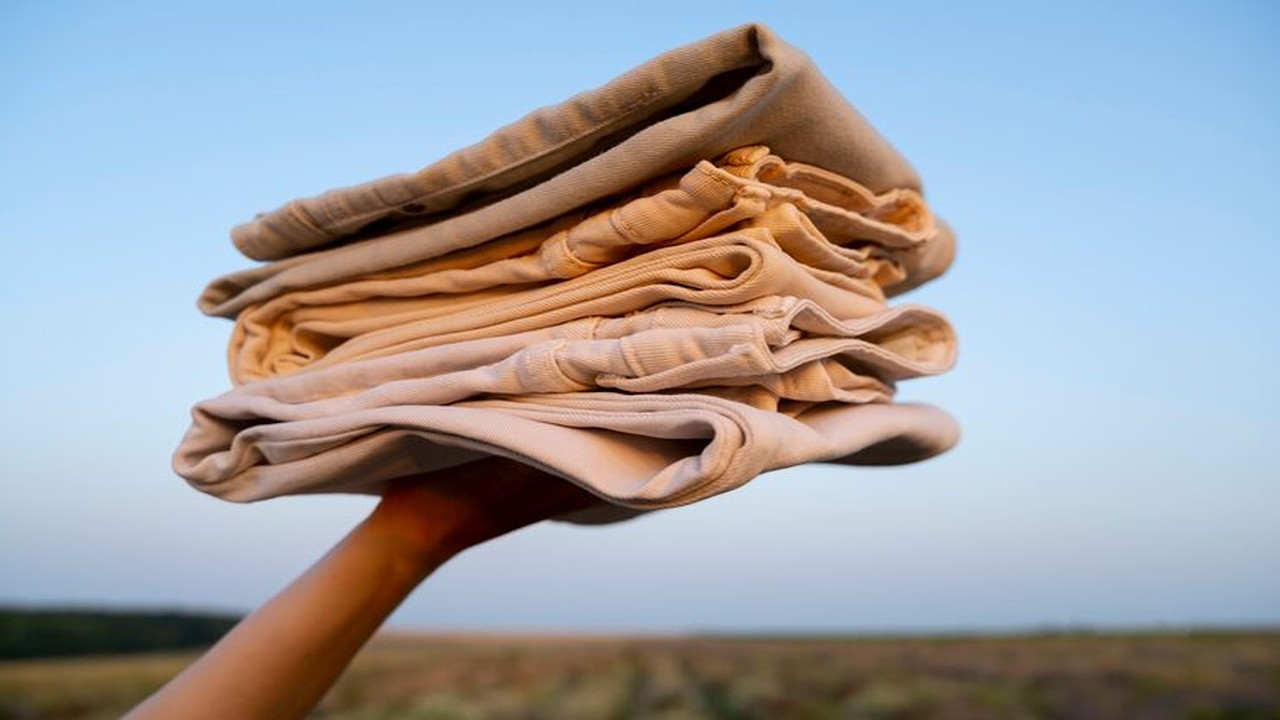
 In the fast-evolving landscape of sustainable textiles, Circulose and Spinnova are rekindling their partnership to revolutionize the industry once again. With a renewed focus on circularity and innovation, these two trailblazing companies are joining forces to scale up their eco-friendly fiber technology. As they aim to reshape the market with their unique approach, the collaboration holds promise for a more sustainable future in global supply chains.
Sustainable Innovation in Textile Recycling
The partnership between Circulose and Spinnova marks a significant step towards sustainable innovation in textile recycling. By utilizing Circulose's cellulose-rich dissolving pulp as feedstock in Spinnova's mechanical technology, the collaboration aims to produce new textile fibers without the use of toxic chemicals. This approach not only enhances the recycled content in the final fiber but also aligns with the growing demand for high-quality, waste-based materials in the fashion industry. With companies like Tommy Hilfiger and Reformation showing interest in these eco-friendly fibers, the market potential for such innovations is substantial. This strategic alliance not only promotes circularity but also underscores the importance of transparency and ethical sourcing in global supply chains.
Overcoming Operational Challenges for Sustainability
Despite the ambitious goals set by Spinnova and Circulose, both companies have faced operational challenges that have impacted their financial performance. Spinnova's revenue decline in 2025, attributed to strategic changes and impairment losses, highlights the volatile nature of the sustainable textile industry. Similarly, Circulose's past struggles, including bankruptcy and partnership failures, emphasize the complexities of scaling up eco-friendly technologies. However, with renewed partnerships and a focus on cost-efficiency and raw material expansion, these companies are positioning themselves for long-term sustainability. Collaborations with brands like Bestseller and C&A indicate a growing interest in sustainable fibers, offering a glimmer of hope for a more resilient and transparent supply chain ecosystem.
The Role of Strategic Partnerships in Driving Innovation
Strategic partnerships play a crucial role in driving innovation and market adoption of sustainable practices in the textile industry. For Circulose, forging alliances with fiber producers like Aditya Birla and Tangshan Sanyou is essential for creating the necessary infrastructure to support its eco-friendly pulp production. Similarly, Spinnova's collaboration with Portuguese yarn spinner Tearfil Textile Yarns underscores the importance of a cohesive ecosystem approach towards sustainable fiber production. By aligning with industry leaders and key stakeholders, both companies can leverage their strengths and expertise to accelerate the transition towards a more sustainable and transparent supply chain. The involvement of renowned brands like Filippa K and H&M Group further validates the market potential of these innovative partnerships.
Market Resilience and Adaptation to Ecodesign Regulations
As the textile industry anticipates the enforcement of European Union ecodesign rules, companies like Circulose and Spinnova are gearing up to meet the evolving sustainability standards. The demand for low-impact fibers and circular solutions is on the rise, prompting a shift towards innovative production processes that reduce environmental footprint. By focusing on developing fibers with properties comparable to conventional materials like cotton, these companies are not only meeting consumer expectations but also future-proofing their business models. The commitment from brands such as Renewcell and Suzano to support sustainable initiatives underscores the industry's collective effort towards building a more resilient and environmentally conscious supply chain.
Embracing Circular Solutions for a Sustainable Future
The collaboration between Circulose and Spinnova symbolizes a broader industry shift towards embracing circular solutions for a more sustainable future. By redefining traditional textile production methods and emphasizing waste-to-fiber technologies, these companies are setting new standards for eco-friendly innovation. The involvement of global brands like Bestseller and C&A in supporting these initiatives not only signals a shift towards responsible sourcing but also highlights the growing consumer demand for sustainable fashion alternatives. As the industry navigates towards a circular economy model, partnerships that prioritize transparency, ethical practices, and environmental stewardship will play a pivotal role in shaping the future of global supply chains.
Conclusion
In the realm of sustainable textiles, the partnership between Circulose and Spinnova stands as a beacon of innovation and circularity, reshaping global supply chains. Despite operational challenges, the industry giants are forging ahead, supported by collaborations with industry leaders like H&M Group and Bestseller. As the textile landscape evolves to meet ecodesign regulations, the emphasis on transparency and ethical practices underscores a collective commitment towards a sustainable future. This collaboration not only redefines textile production but also propels the industry towards a circular economy model, driven by consumer demand for eco-friendly alternatives. In a world where sustainability is paramount, partnerships like this pave the way for a more resilient and environmentally conscious supply chain ecosystem.