
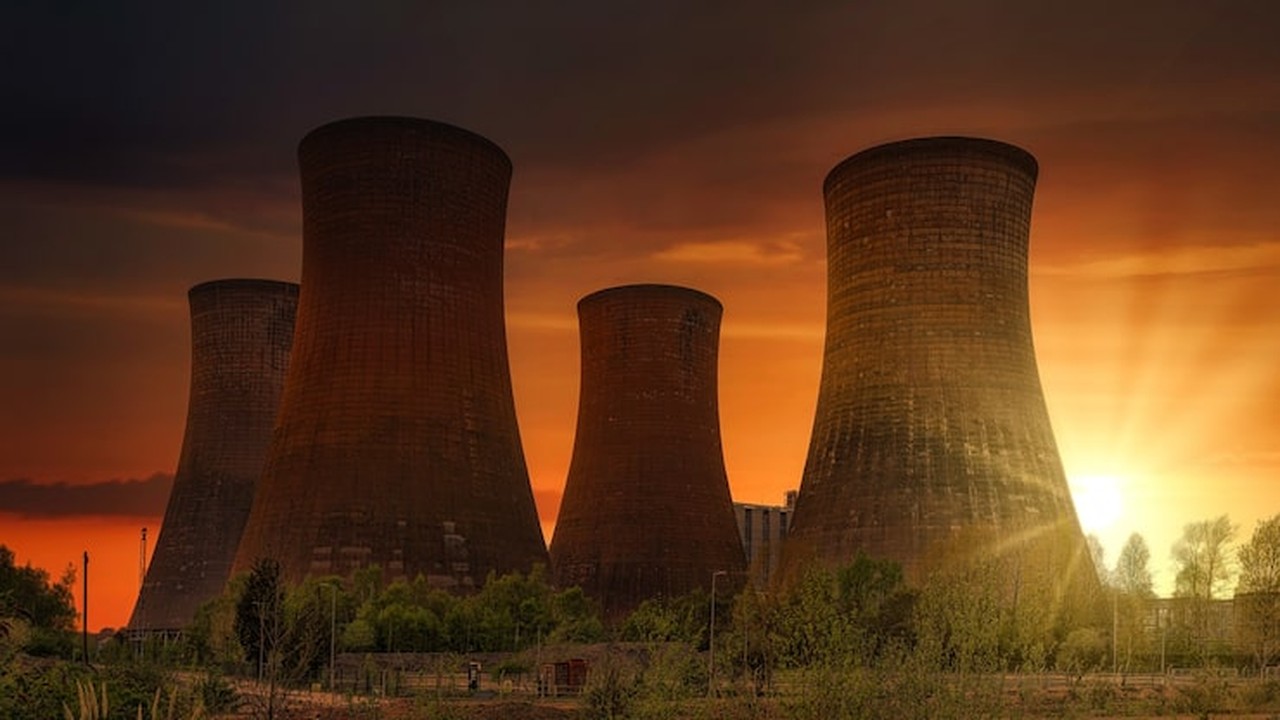
 As New Jersey's power needs surge, the intricate process of building a power plant comes into focus. From meticulous planning and permitting to construction and commissioning, the journey is a symphony of collaboration and precision. PSEG ENERGIZE! delves into the complexities of bringing a new power plant online, exploring the interplay of technology, finance, and community engagement. Join us on a journey through the stages that transform a mere idea into a fully operational power facility, illuminating the vital role these projects play in shaping the state's energy landscape.
Collaboration and Regulatory Compliance
Building a power plant is a multifaceted endeavor that hinges on collaboration among various stakeholders and strict adherence to regulatory standards. Public Service Enterprise Group (PSEG), a key player in the energy sector, understands the critical importance of aligning with regulators, developers, and local communities to ensure the successful construction and operation of power plants. Regulatory compliance is not just a box-ticking exercise but a fundamental aspect that guarantees the safety, environmental sustainability, and reliability of the plant.
For instance, in the case of constructing a power plant in New Jersey, developers must navigate a complex web of permits covering land use, zoning, environmental impact, and more. This process involves engaging with local communities to foster transparency and address concerns proactively. By involving PSEG in these discussions, developers can leverage the company's expertise in navigating regulatory frameworks and fostering positive relationships with stakeholders, ultimately streamlining the permitting process and ensuring a smoother path to project completion.
Technological Innovation and Efficiency
The choice of technology and equipment plays a pivotal role in the efficiency and sustainability of a power plant. Public Service Enterprise Group (PSEG), as a forward-thinking energy company, recognizes the significance of selecting the right technology that aligns with the project's goals and environmental objectives. Whether it's turbines for gas plants, solar panels for renewable energy projects, or innovative solutions for battery storage systems, PSEG emphasizes the integration of cutting-edge technologies to enhance operational performance and reduce environmental impact.
Moreover, technological advancements in power plant construction have led to significant improvements in build times and overall project efficiency. For example, utility-scale solar and onshore wind projects now boast shorter construction periods compared to traditional natural gas or nuclear plants. By embracing technological innovation and collaborating with industry leaders like PSEG, developers can optimize project timelines, reduce costs, and increase the overall sustainability of power generation facilities.
Financial Planning and Risk Management
The financial aspect of building a power plant is a critical factor that can make or break a project. Public Service Enterprise Group (PSEG), with its extensive experience in the energy sector, understands the intricate nature of financial planning for large-scale infrastructure projects. Estimating costs, projecting revenues, securing funding, and managing procurement processes are all essential components that demand meticulous attention to detail and strategic foresight.
In the context of New Jersey's energy landscape, where demand for power generation is on the rise, effective financial planning becomes even more crucial. By engaging with PSEG early in the project lifecycle, developers can benefit from the company's financial expertise and risk management strategies, mitigating potential financial hurdles and ensuring the long-term viability of power plant investments. Collaborative efforts in financial planning not only safeguard project profitability but also contribute to the overall sustainability and success of power generation initiatives.
Community Engagement and Sustainable Development
The construction of a power plant is not just about erecting physical structures but also about fostering community engagement and promoting sustainable development. Public Service Enterprise Group (PSEG) recognizes the importance of engaging with local communities throughout the project lifecycle to build trust, address concerns, and create shared value. By involving community members in the planning and permitting stages, developers can proactively address social and environmental considerations, enhancing the overall acceptance and support for power plant projects.
Furthermore, sustainable development principles are integral to PSEG's approach to power plant construction. From minimizing environmental impact to maximizing social benefits, PSEG advocates for sustainable practices that align with the broader goals of creating a greener and more resilient energy infrastructure. By integrating community feedback, environmental stewardship, and sustainable development initiatives into power plant projects, developers can not only meet regulatory requirements but also contribute positively to the communities they serve, fostering a more inclusive and sustainable energy future.
Conclusion
In the intricate symphony of building a power plant, PSEG shines as a beacon of collaboration, innovation, and sustainability. From navigating regulatory complexities to embracing cutting-edge technologies, PSEG exemplifies the transformative power of strategic partnerships in shaping a greener energy landscape. As we reflect on the journey through regulatory compliance, technological innovation, financial planning, and community engagement, one resounding truth emerges: sustainable development is not just a goal but a necessity. Let PSEG's holistic approach inspire us to forge a path towards a future where power plants stand not only as pillars of energy but also as pillars of sustainability, ethics, and transparency in our global supply chains.