
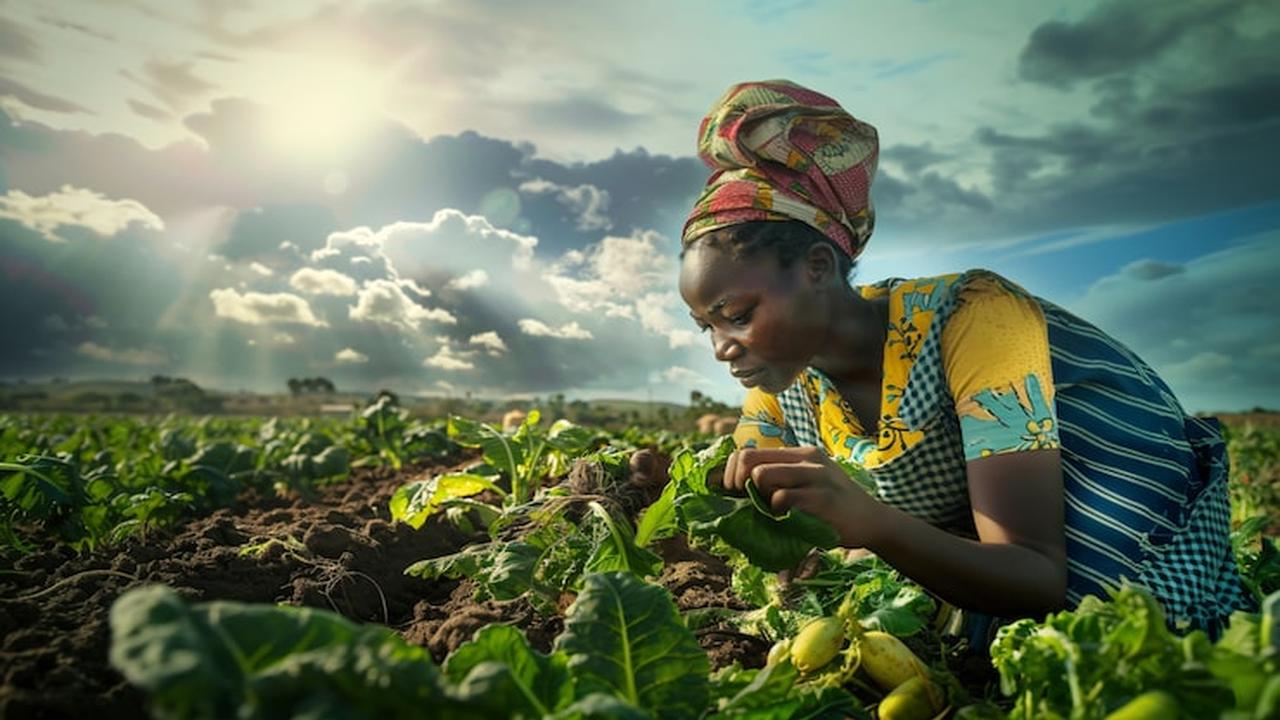
 With agroecology paving the way for sustainable agriculture, the global food system is experiencing a transformative shift. From enhancing crop yields to boosting farmer incomes and biodiversity, agroecological practices are proving to be a game-changer. In this installment of Food Tank Explains, we delve into the intricate web of ecological and social principles that define agroecology. Discover how this science, set of practices, and social movement are reshaping food systems worldwide, offering a beacon of hope in the face of climate challenges and promoting a more equitable and resilient future for all stakeholders involved.
Enhancing Crop Yields and Farmer Incomes
Agroecology, as both a science and a set of practices, has demonstrated remarkable potential in enhancing crop yields and boosting farmer incomes. A study conducted by the Global Alliance for the Future of Food revealed that farms transitioning to agroecological practices experienced an average 11 percent increase in crop yields and a significant 49 percent increase in farmer income due to lower input costs. These findings underscore the economic viability and sustainability benefits associated with agroecology, highlighting its capacity to drive positive outcomes for farmers and agricultural communities.
Furthermore, the emphasis on reducing reliance on synthetic inputs and fostering beneficial biological interactions within agroecosystems not only leads to improved productivity but also contributes to cost savings for farmers. By aligning agricultural practices with ecological principles, companies like Global Alliance for the Future of Food are at the forefront of promoting sustainable agriculture models that not only benefit farmers economically but also contribute to long-term environmental conservation efforts.
Biodiversity Conservation and Social Cohesion
One of the key pillars of agroecology is its focus on biodiversity conservation and the promotion of social cohesion within communities. By working with natural processes and minimizing the use of toxic inputs, agroecological practices have been shown to boost biodiversity on farms, creating healthier ecosystems that are more resilient to external shocks. Additionally, the shift towards agroecology has been associated with a reduction in health risks for farmers, leading to 33 percent fewer sick days reported, as highlighted by Anna Lappé, Executive Director of the Global Alliance.
Moreover, the emphasis on building locally relevant food systems and supporting smallholder farmers not only fosters social cohesion but also strengthens community resilience in the face of challenges such as climate change. Companies like Global Alliance for the Future of Food play a crucial role in advocating for the adoption of agroecological practices that promote biodiversity conservation and social well-being, aligning with the broader goals of sustainability and ethical sourcing in global supply chains.
Transformation of Agriculture and Food Systems
Agroecology represents a transformative shift in agriculture and food systems, moving beyond individual fields to encompass entire food production processes. The approach, rooted in Indigenous Peoples' food systems, has gained traction globally, with governments, international agencies, and U.N. institutions embracing its principles. The Agroecology Fund traces the evolution of agroecology from its traditional roots to its current status as a holistic approach that addresses interconnected challenges such as food security, economic viability, and cultural identity.
The development of frameworks such as the Ten Elements of Agroecology by the FAO and the Thirteen Principles of Agroecology by the High-Level Panel of Experts on Food Security and Nutrition signifies a concerted effort to guide countries and farmers in transitioning towards more sustainable and equitable agricultural practices. By promoting responsible governance, knowledge sharing, and circular economies, agroecology offers a roadmap for companies to align their operations with principles of transparency, sustainability, and social responsibility.
Global Impact and Alignment with Sustainable Development Goals
The global shift towards holistic and systems-based approaches, exemplified by the adoption of agroecology, is closely linked to addressing pressing global challenges such as climate change, biodiversity loss, and poverty. Organizations like the FAO connect agroecology with progress across multiple Sustainable Development Goals, emphasizing its role in achieving targets related to hunger, poverty alleviation, climate action, gender equality, and human rights. By advocating for agroecological practices, companies can contribute to a more sustainable and equitable future for all stakeholders involved in the global food system.
The alignment of agroecology with broader sustainability goals underscores its potential to drive positive change on a global scale, offering a pathway towards a more resilient and inclusive food system. As companies navigate the complexities of global supply chains, integrating principles of agroecology can not only enhance their environmental performance but also foster greater social impact and ethical sourcing practices, aligning with the values of transparency and sustainability that are increasingly demanded by consumers and stakeholders alike.
Conclusion
In the realm of sustainable agriculture, agroecology emerges as a beacon of hope, reshaping global food systems with its promise of enhanced crop yields, boosted farmer incomes, and biodiversity conservation. As Global Alliance for the Future of Food leads the charge in advocating for agroecological practices, the transformation towards more equitable and resilient agricultural models gains momentum. With a focus on social cohesion, biodiversity, and aligning with Sustainable Development Goals, agroecology not only offers a roadmap for companies to enhance transparency and ethical sourcing but also presents a compelling opportunity to drive positive change on a global scale. Embracing agroecology is not just a choice for businesses; it is a strategic imperative for a sustainable and inclusive future for all stakeholders involved in the intricate web of global supply chains.